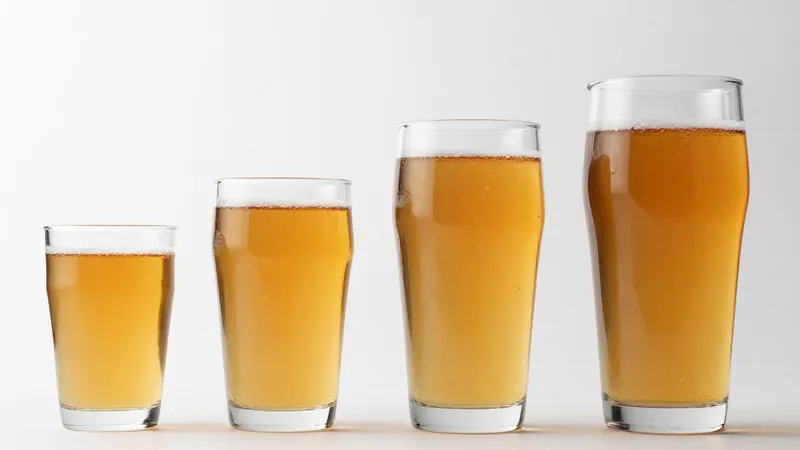
A US liquid pint is a fixed volume. NIST Handbook 44, 2023, Appendix C, says 16 fluid ounces equal 1 pint. The same tables give 1 liquid pint as 473.1765 milliliters and 1 fluid ounce as 29.57353 milliliters. National Institute of Standards and Technology is that handbook. The pint people mean at a US bar, when they mean the legal liquid pint and not a short pour or an imperial pint, is 16 US fluid ounces, which the handbook lists as 473.1765 milliliters. This article is the unit. It is not a promise that every glass sold as a pint holds the full unit after foam.
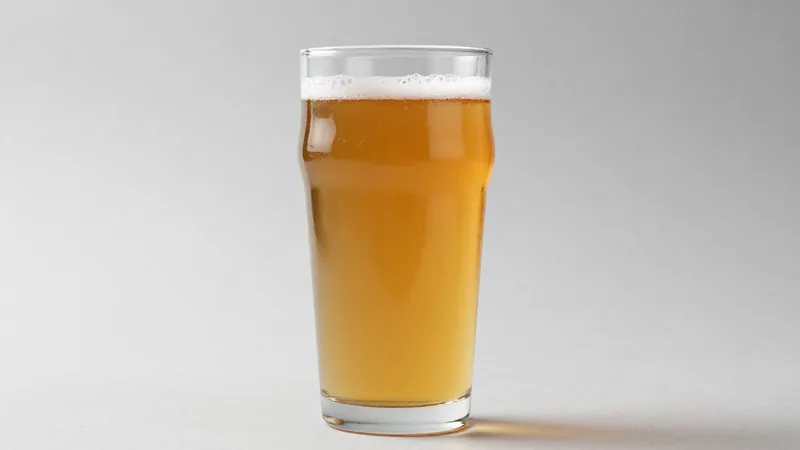
Multiply the ounce by 16 and you should land on the pint. 16 times 29.57353 milliliters is 473.1765 milliliters, rounded to four decimals. The handbook's direct pint figure is 473.1765 milliliters. The two are the same conversion taken on different rows of the table, and the small gap is rounding. Use 473.1765 when you cite the pint row. Use 29.57353 when you cite the ounce row. Do not invent a third milliliter figure for a "beer pint." The handbook does not have a separate beer pint. It has a liquid pint.
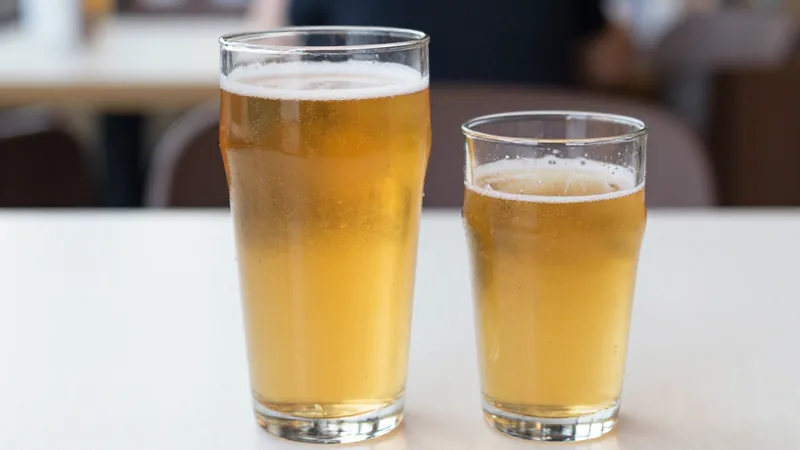
An imperial pint is a different unit used in the United Kingdom. This article does not assign it a milliliter value, because the NIST tables quoted here are the US customary units. If a label or a recipe says pint and does not say imperial, a US reader using Handbook 44 is on 16 fluid ounces and 473.1765 milliliters. If the source says imperial, stop and use an imperial table. Mixing them is how a recipe and a glass disagree. The chart on this page is only the US liquid pint.
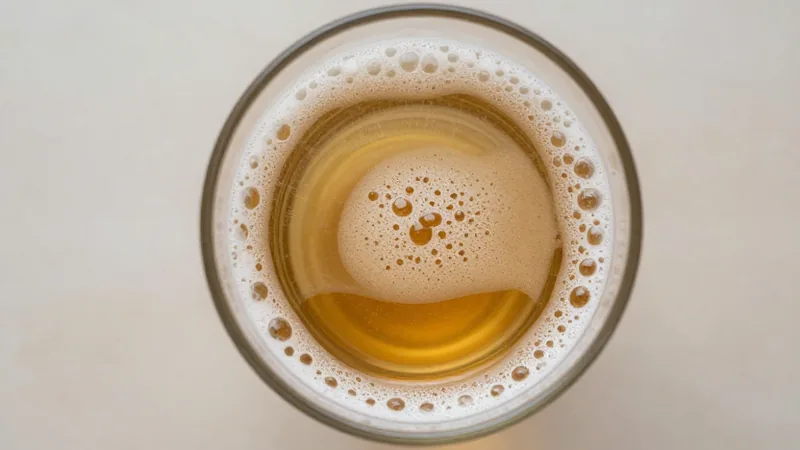
Foam and the advertised pint
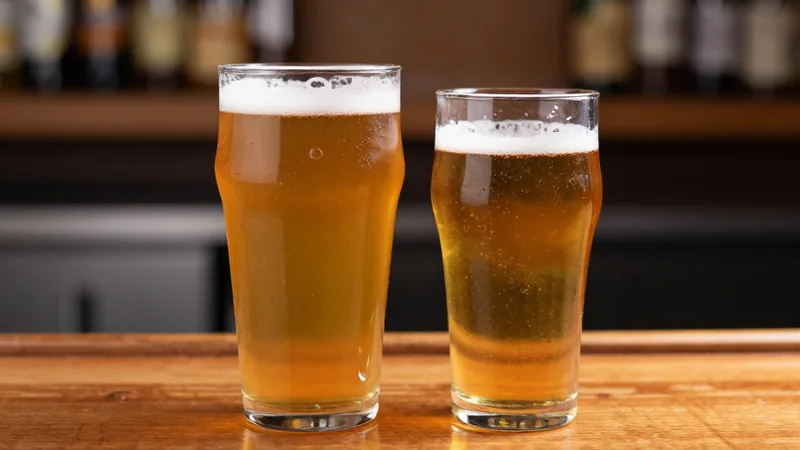
A glass can be marked to 16 fluid ounces and still deliver less beer if the foam occupies part of that volume and the pour stops at the rim. Weights-and-measures rules care about the liquid quantity the customer is owed when a quantity is stated. This article does not restate a state's inspection manual. It states the unit those inspections use when the unit is the US liquid pint: 16 fluid ounces, 473.1765 milliliters. A shaker glass, a nonic, and a tumbler are shapes. The pint is the volume. Measure the liquid if the claim is a pint, and do not treat a head of foam as part of the 473.1765 milliliters unless the stated sale included it that way.
Get the beer data notes
Brewers Association and TTB figures as they are published, with the source for every number. Free, unsubscribe from any email.
No fixed schedule. Unsubscribe from any email. 21+ only.
Using the figure with a barrel
A beer barrel in federal rules is 31 US gallons. That definition is in the barrel article. This page does not repeat the gallon count as if Handbook 44 defined the beer barrel. It tells you the pint those gallons break into, once you know how many fluid ounces are in the gallon. The ladder article on this site carries gills, quarts, and gallons from the same handbook. A pint is the middle of that ladder: 16 fluid ounces, 473.1765 milliliters. Two pints make a quart in the handbook's liquid table. That quart step is cited on the ladder page so this page can stay on the single pint.
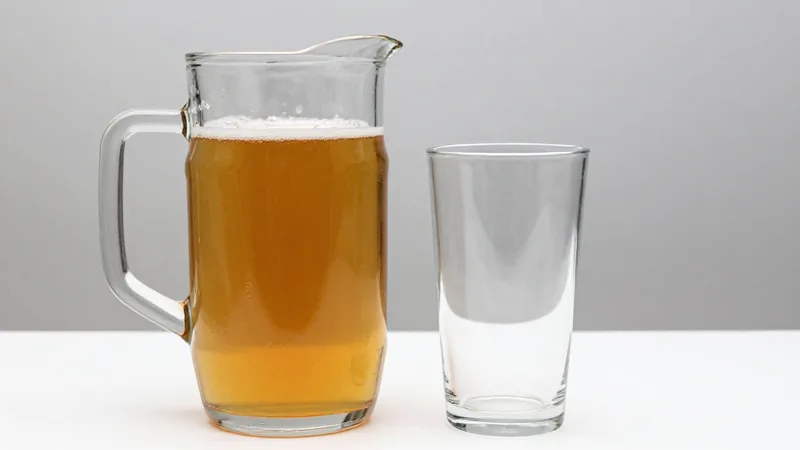
The tool shows the ounce count and the milliliter count. Multiplying 473.1765 by a number of pints gives milliliters of that many pints, as arithmetic. It does not tell you how many pints to drink. It does not convert a beer's ABV into a standard drink. Those are different articles. If you only needed the unit, memorize 16 US fluid ounces and 473.1765 milliliters, and remember that 29.57353 milliliters is one fluid ounce if you are building the pint from ounces. The derived check 473.1765 is there so the two handbook rows can be compared. Cite 473.1765 as the handbook's pint.
A marked glass and a stated sale
If a menu says pint, and the jurisdiction treats that word as the US liquid pint, the volume to compare is 16 fluid ounces of the product being sold, which Handbook 44 expresses as 473.1765 milliliters. A line on the glass at some other height is a glass design. It becomes a measure only when it is placed and used as one. This article does not certify any brand of glassware. It gives the unit a certifier would be using for a US liquid pint. Bring a trusted measure if you are checking your own glass. Do not eyeball foam and call the result 473.1765 milliliters.
Recipes written in milliliters can meet a US pint by using 473.1765 for one pint and 29.57353 for one fluid ounce. A recipe that says "one pint" and then lists a milliliter amount far from 473.1765 is either using imperial measure or rounding hard. Ask which. The derived product 473.1765 is the ounce-based route. It should sit next to 473.1765, not replace a careful reading of the pint row. Rounding both to the nearest milliliter is fine for a kitchen, if you say you rounded. It is not fine if you then claim the rounded integer is the handbook figure. The handbook figures in this fact sheet are 473.1765 and 29.57353.
Half a pint, in this system, is half of 16 fluid ounces. The handbook also lists a gill in the same liquid table. The volume-ladder article quotes the gill line so this page does not have to. What you need here is the full pint: 16 fluid ounces, 473.1765 milliliters. Quarter-pints and third-pints are divisions you can do yourself. They are not extra rows the handbook's pint line is required to carry, and this chart does not add them.
Beer service in the United States often uses the word pint for a glass that may or may not be filled to 16 fluid ounces of liquid. The word on a menu is a claim. The handbook is the definition of the unit that claim usually points at. A customer who wants the definition, rather than a dispute with one bar, can stop at 16 and 473.1765. A bar that wants to sell a different volume can say the volume it actually sells, in fluid ounces, instead of borrowing the word pint. That is a labeling choice. The unit underneath the word, when the word is the US liquid pint, does not move.
Checked on 2026-10-27 against National Institute of Standards and Technology. The quotes keep the spaced digits the handbook prints, such as the pint milliliter figure broken by a space in the table, while the fact values are the ordinary decimals. A spreadsheet should store 473.1765 and 29.57353, not a rounded 473 or a rounded 30, if the point of the sheet is to match Handbook 44. Rounding to a whole milliliter is a display choice. Label it as rounding. The chart prints the handbook figures, including 16 and 473.1765, so a reader can see the US pint without a second conversion step.
A retail pour that is sold as a pint and that is short of 16 fluid ounces of beer is a short pour relative to this unit. A state inspector's rule on foam is that state's manual, not a sentence in Handbook 44's conversion table. Do not use this article to accuse a bar. Use it to know what unit the word pint names in US customary liquid measure. The unit is 16 fluid ounces. The metric statement of that unit in the handbook is 473.1765 milliliters. One fluid ounce of that system is 29.57353 milliliters. Three figures, one pint, no imperial number hiding in the chart.
The handbook row and a rounded kitchen row
A kitchen that rounds 473.1765 milliliters to a nearby whole number has made a kitchen figure. The handbook figure remains 473.1765. Write both down if a recipe needs a round number, and do not replace the fact sheet with the rounded one. The same split applies to the ounce. 29.57353 milliliters is the handbook ounce. A recipe that uses a shorter milliliter count per ounce has rounded, and it should say so. It is not Handbook 44. The derived check 473.1765 is 16 times 29.57353, so the ounce row can sit beside the pint row. If those two ever move apart by more than rounding, reread the table. Do not average them into a third pint and call that average the handbook.
How to use each figure
16 is the fluid-ounce count of one US liquid pint. Sixteen is exact in the relation the handbook states: 16 fluid ounces equal 1 pint. Do not replace it with a 14-ounce or 20-ounce glass and still call the result the handbook pint.
473.1765 milliliters is the handbook's statement of that same pint. 473.1765 is 16 times 29.57353, rounded to four decimals, so you can see the ounce row and the pint row agree within rounding. Cite 473.1765 when you quote the pint line.
Frequently Asked Questions
How many fluid ounces are in a US pint?
- NIST Handbook 44 says 16 fluid ounces equal 1 pint. Source: National Institute of Standards and Technology.
How many milliliters is that pint?
473.1765 milliliters, from the handbook liquid-pint row.
How many milliliters are in one US fluid ounce?
29.57353. Multiplying by 16 lands near the pint figure. The derived check is 473.1765 milliliters.
Does this include the imperial pint?
No. These are US customary units from Handbook 44. An imperial pint is a different unit.
Sources
- NIST Handbook 44 (2023), Appendix C. National Institute of Standards and Technology.