Weissbier numbers in the 2021 BJCP
BJCP 2021 style 10A lists weissbier at 8 to 15 IBU, 2 to 6 SRM, and 4.3 to 5.6 percent ABV.
60 beer articles on styles, brewing science, homebrewing and US industry data, each with its sources.
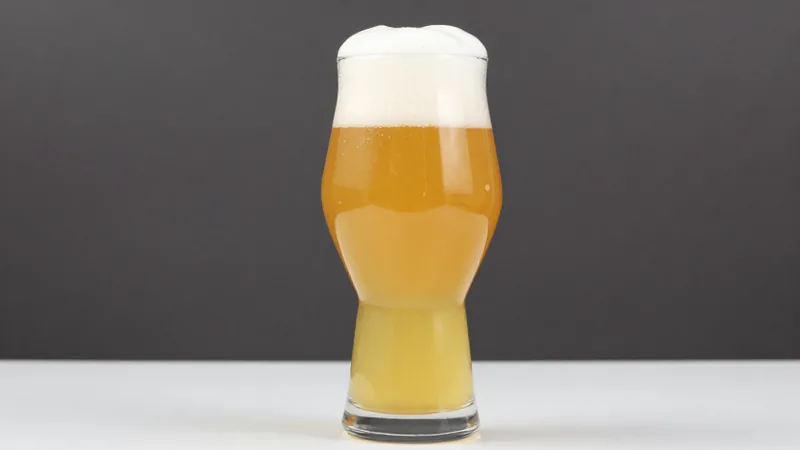
BJCP 2021 style 10A lists weissbier at 8 to 15 IBU, 2 to 6 SRM, and 4.3 to 5.6 percent ABV.
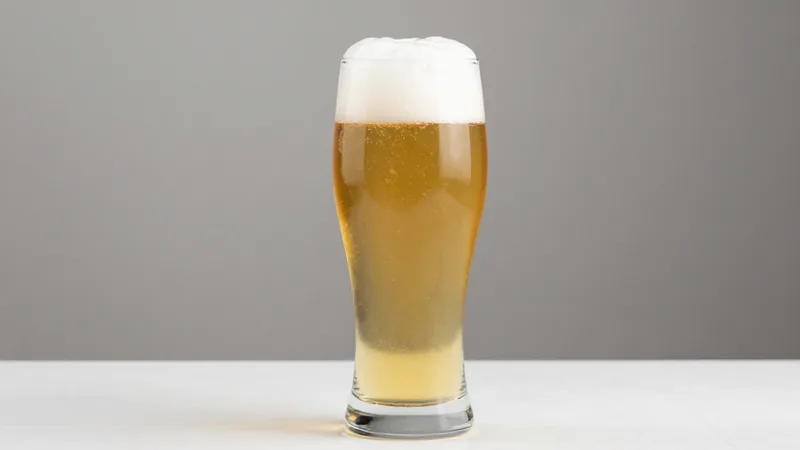
BJCP 2021 style 5D lists German pils at 22 to 40 IBU, 2 to 4 SRM, and 4.4 to 5.2 percent ABV.
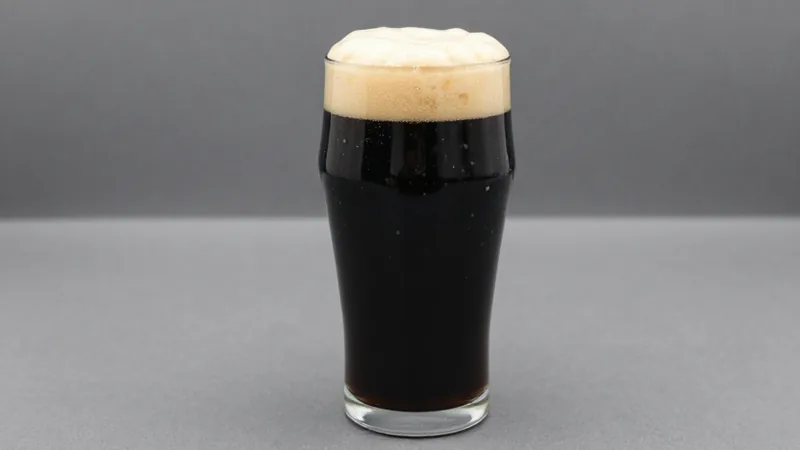
BJCP 2021 style 15B lists Irish stout at 25 to 45 IBU, 25 to 40 SRM, and 3.8 to 5 percent ABV.
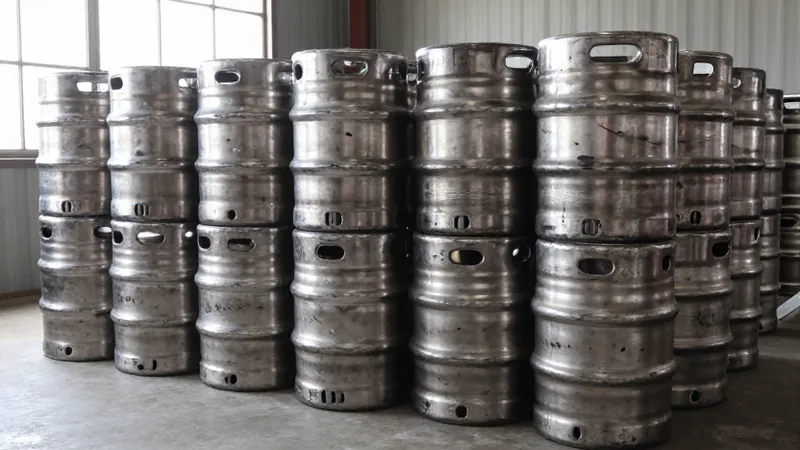
TTB lists fiscal Q1 beer tax at 621,742 thousand dollars in the 2026 column, and 647,862 thousand a year earlier.
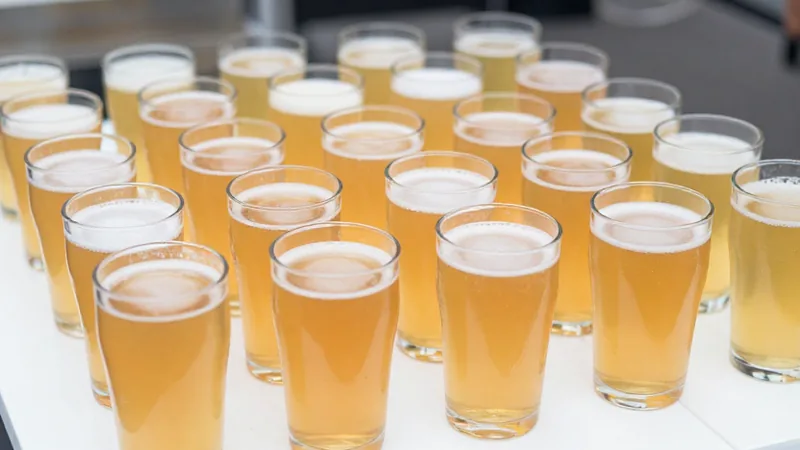
The archived 2025 GABF page put Juicy or Hazy IPA at 301 entries and West Coast IPA at 300, versus a 71-entry average.
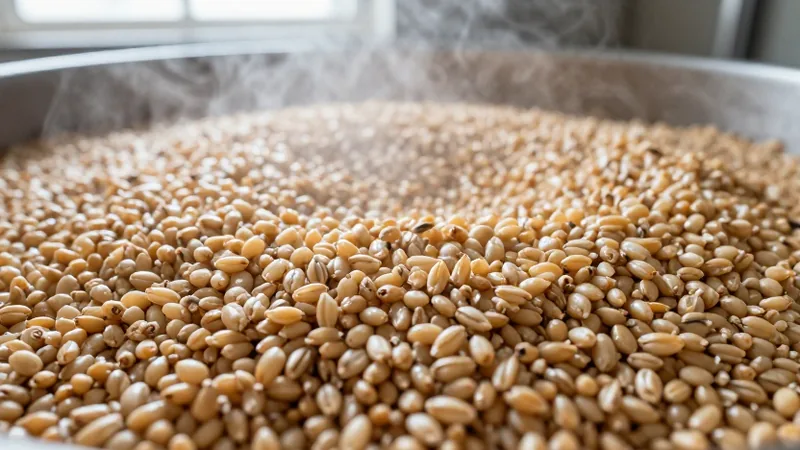
27 CFR 25.11 defines Balling as the percent by weight of dissolved solids at 60 degrees Fahrenheit.
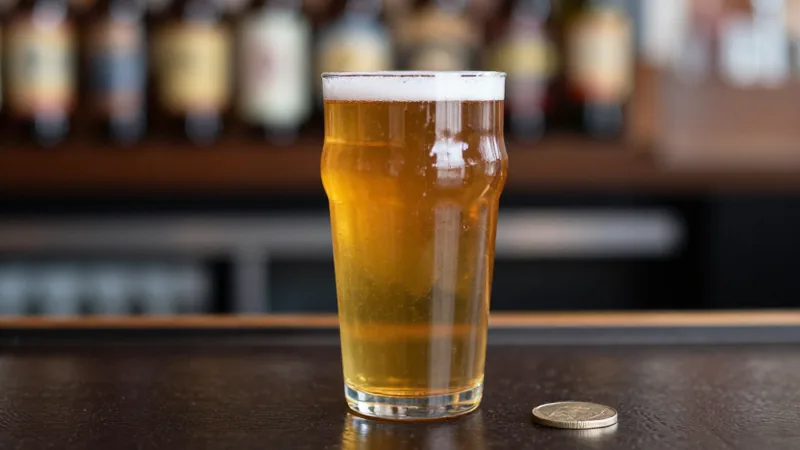
Dividing TTB barrel rates by 248 pints gives about 1.4113, 6.4516, or 7.2581 cents of federal excise per pint.
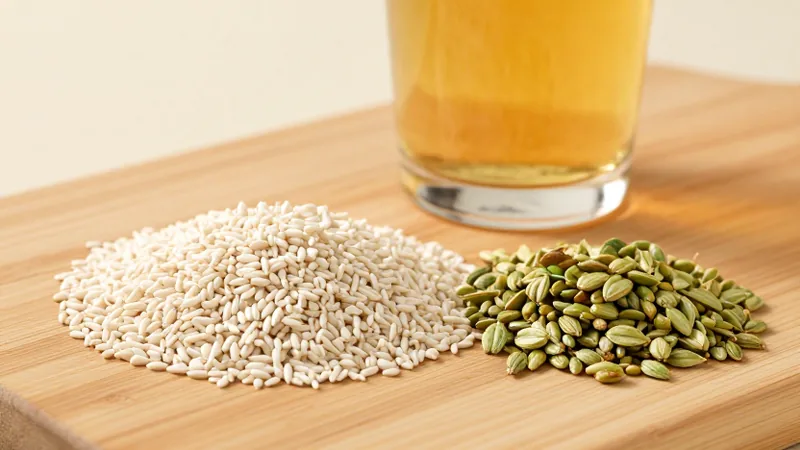
TTB says IRC beer needs 0.5 percent alcohol from malt or a substitute. An FAA malt beverage also needs malted barley and hops.
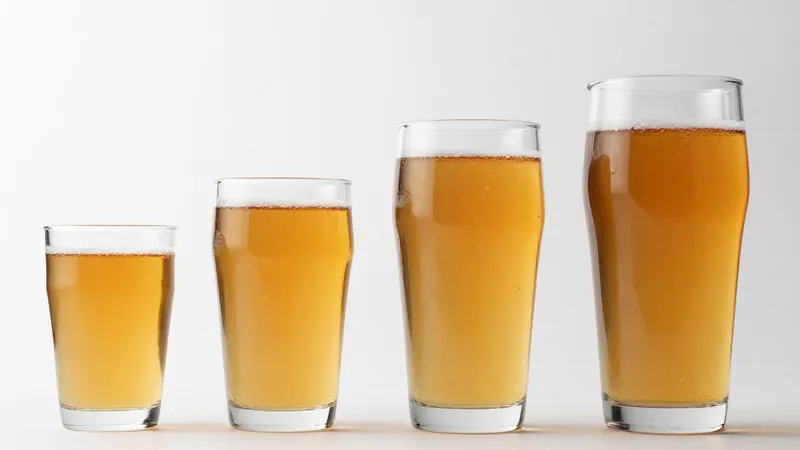
NIST Handbook 44 sets 4 gills to a pint, 2 pints to a quart, and 4 quarts to a gallon of 231 cubic inches.
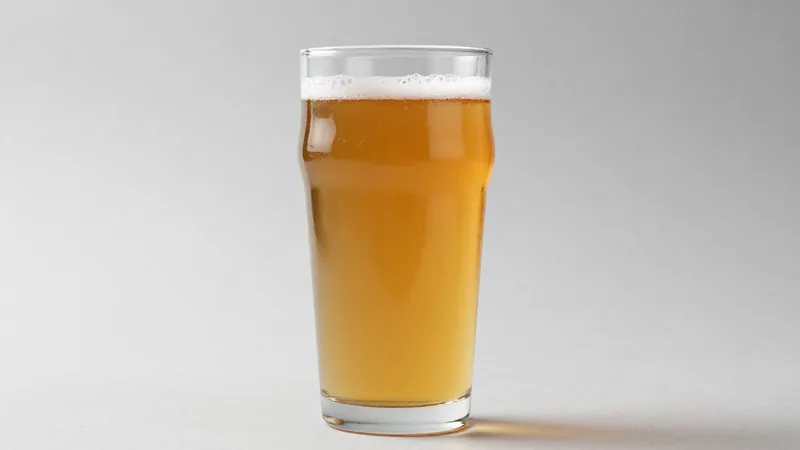
NIST Handbook 44 sets a US liquid pint at 16 fluid ounces, which is 473.1765 milliliters.
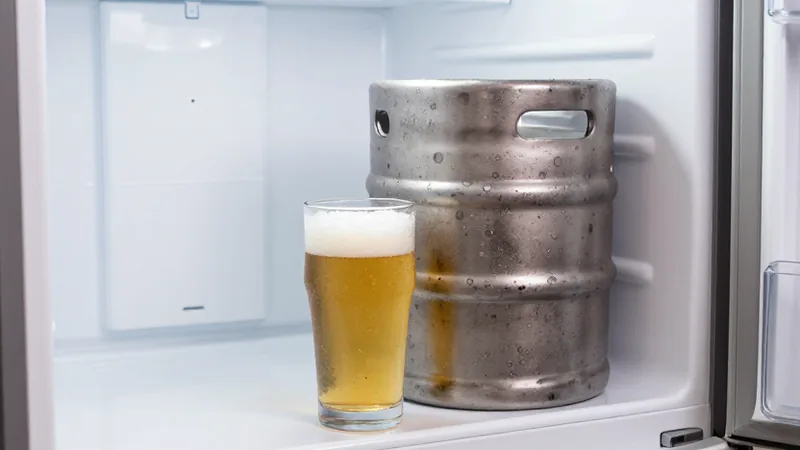
The Brewers Association draught manual keeps beer between 34 and 38 degrees Fahrenheit from keg to glass.
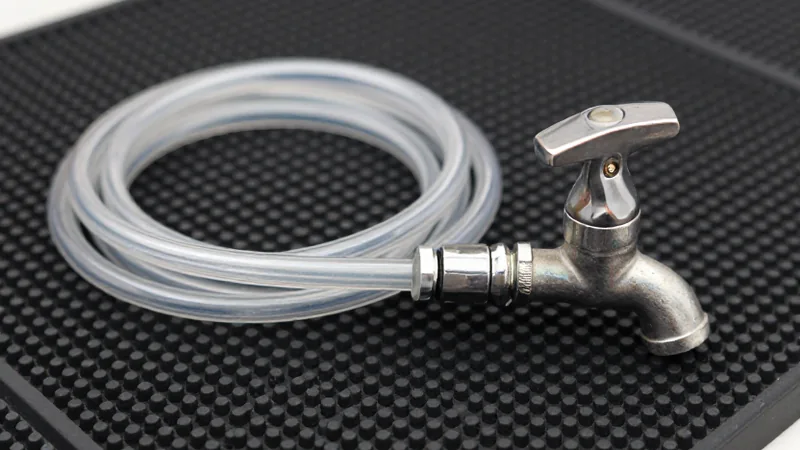
The Brewers Association recommends cleaning draught lines every 14 days, with published contact times and solution ranges.
The 2025 GABF judged 8,315 entries from 1,555 breweries and cideries and awarded 347 medals.
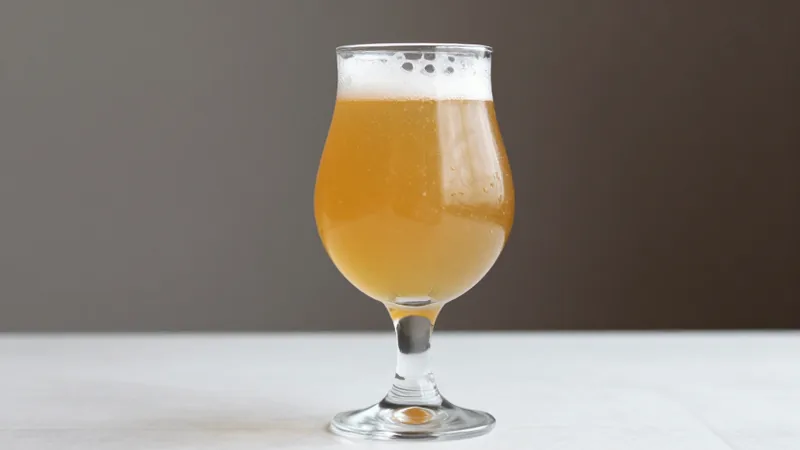
TTB allows low alcohol and reduced alcohol only under 2.5 percent ABV, and the tolerance cannot cross that line.
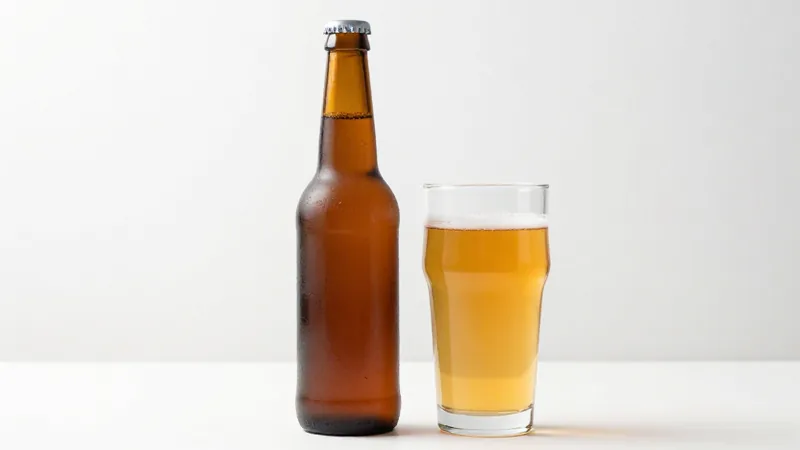
TTB allows 0.3 percentage points around a malt beverage ABV statement, and the beer still cannot fall under 0.5 percent.
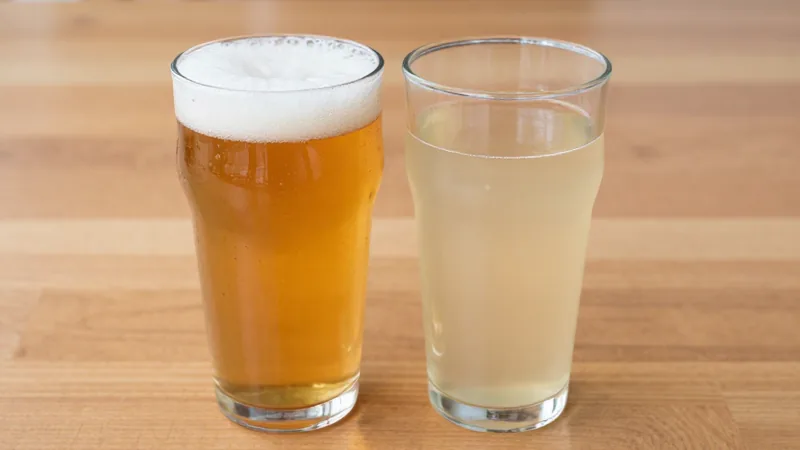
27 CFR 25.11 puts beer at 0.5 percent alcohol by volume or more, and a cereal beverage under that line.
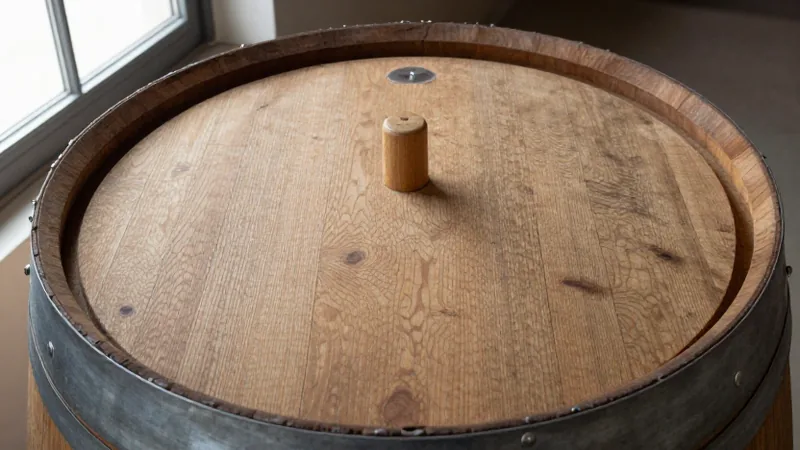
Federal rules define a beer barrel as 31 U.S. gallons, and a gallon as 231 cubic inches.
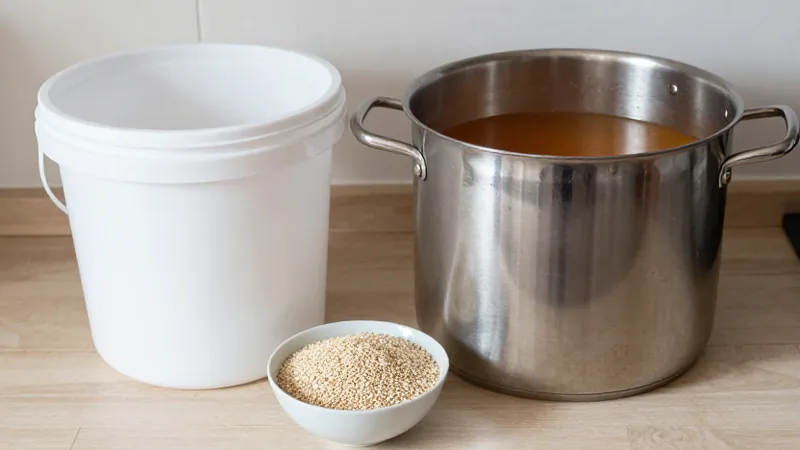
Federal rules cap home beer at 100 gallons a year for one adult and 200 for two or more, not for sale.
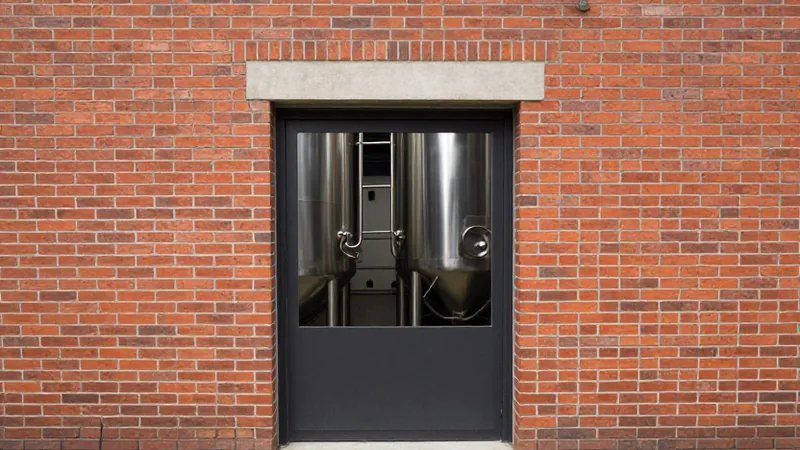
The Brewers Association small test is 6 million barrels. The independent test is under 25 percent outside ownership.
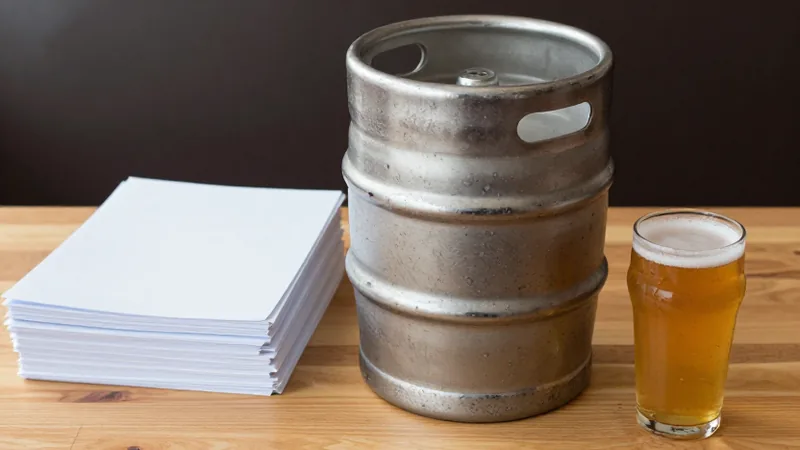
TTB lists three federal beer tax rates since 2018: $3.50, $16, and $18 per 31-gallon barrel. Who pays which rate.

Malt proteins and hop acids build beer foam; fat, oil and soap kill it. Wheat beers held foam 28% longer in one study. Test your glasses three ways.
Points per pound from Briess and Weyermann malt sheets, the four kinds of efficiency, how efficiency moves your OG, and the strike water formula.
How to pair beer with food: complement, contrast and cut, the Brewers Association pairing chart with BJCP ABV and IBU ranges, and what research says about chili.
Life-cycle studies put bottled beer at 842 g CO2e per liter vs 575 g in cans and 25 kg per 100 L from kegs. Data, caveats, calculator.
Cellar beers at 8% ABV or stronger, or sour and smoked beers, at 55°F or colder, upright and dark. Hop-forward beers only fade.
How BJCP judges score beer: 50 points across 5 sections, what each score band means, how judging tables agree, and how judges earn rank.
Malting, mashing, boiling, fermenting, conditioning and packaging, with the times and temperatures for each step and a planner for ale vs lager.
SRM is absorbance at 430 nm times 12.7; EBC is about 1.97 times SRM. BJCP color ranges for 17 styles, the Morey equation, and a beer color calculator.
Mineral profiles of 8 classic brewing cities in ppm, residual alkalinity and sulfate:chloride for each, two US tap reports, and a calculator for your own water.
Cells needed by gravity for ales and lagers, what each yeast pack actually holds, how age cuts viability, and when a starter beats a second pack.
A half barrel holds 15.5 gallons, 124 pints. Every US keg size in gallons, liters, pours and full weight, plus a party planner.
A 5-gallon kegging setup costs $262 to $450 at the retailers we checked. The gear, the pressure table, and how long your beer line should be.
Hop water is sparkling water flavored with hops: 0 calories, no malt, no alcohol. How it compares to beer and NA beer, plus a recipe calculator.
BJCP 2021 ranges for seven sour styles, the bacteria and yeast that sour them, sour vs regular beer pH, and a kettle sour planner.
Dry hops give up most aroma within a day, and their enzymes can restart fermentation: up to 2 °P and 1.3% ABV extra in one study. Rates, timing and a dose calculator.
Hazy IPAs measured 119 to 1,774 NTU against under 30 for clear IPAs. What the haze is made of, how yeast reshapes hop aroma, and which compounds clear threshold.
Hard cider is wine under federal law, taxed at $0.226 a gallon. Per 12 oz it has 202 calories and 21.3 g carbs vs 153 and 12.6 g for beer.
From 4,131 breweries in 1873 to 100 in 1978, then 9,724 in 2025. Prohibition, the 1978 homebrew law and every milestone, sourced.
US breweries made 149.1 million barrels in 2025, per TTB. Ohio, Colorado and Texas lead; 8 states are withheld. Ranks, trends, per adult.
Boulder leads US cities of 100,000+ with 22.47 breweries per 100,000 residents; Denver has the most breweries (82). All 342 cities ranked.
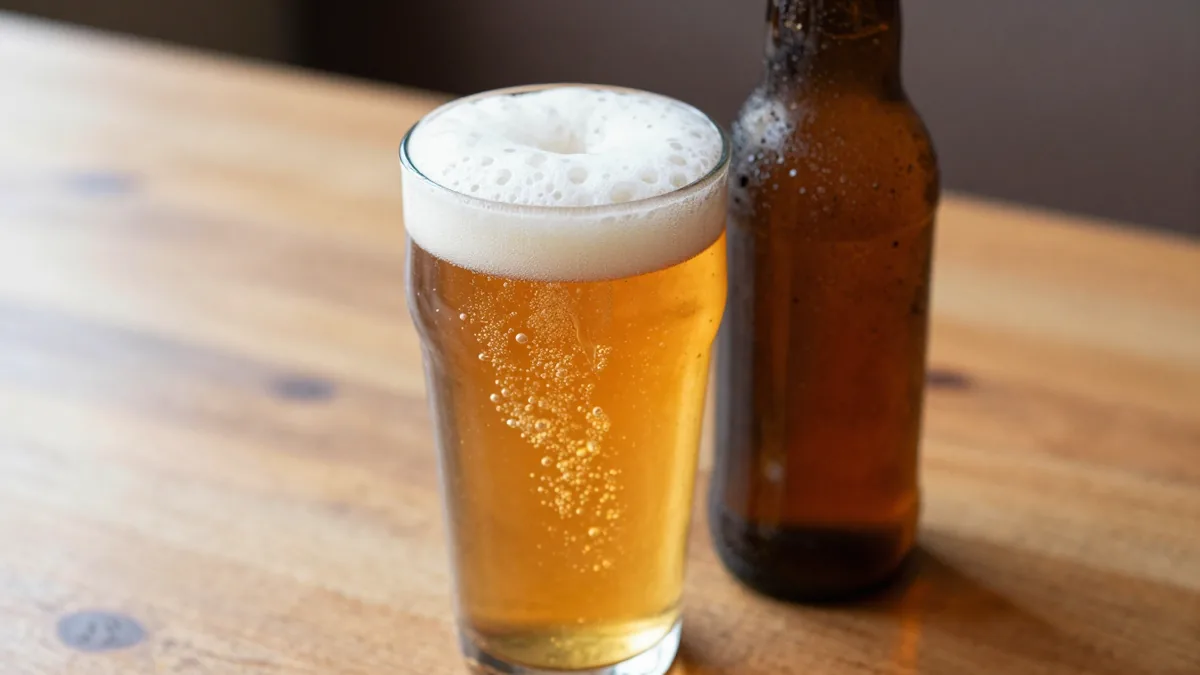
CO2 volumes by style, how much CO2 your beer already holds, grams of priming sugar per liter, and keg pressure by temperature from the ASBC table.
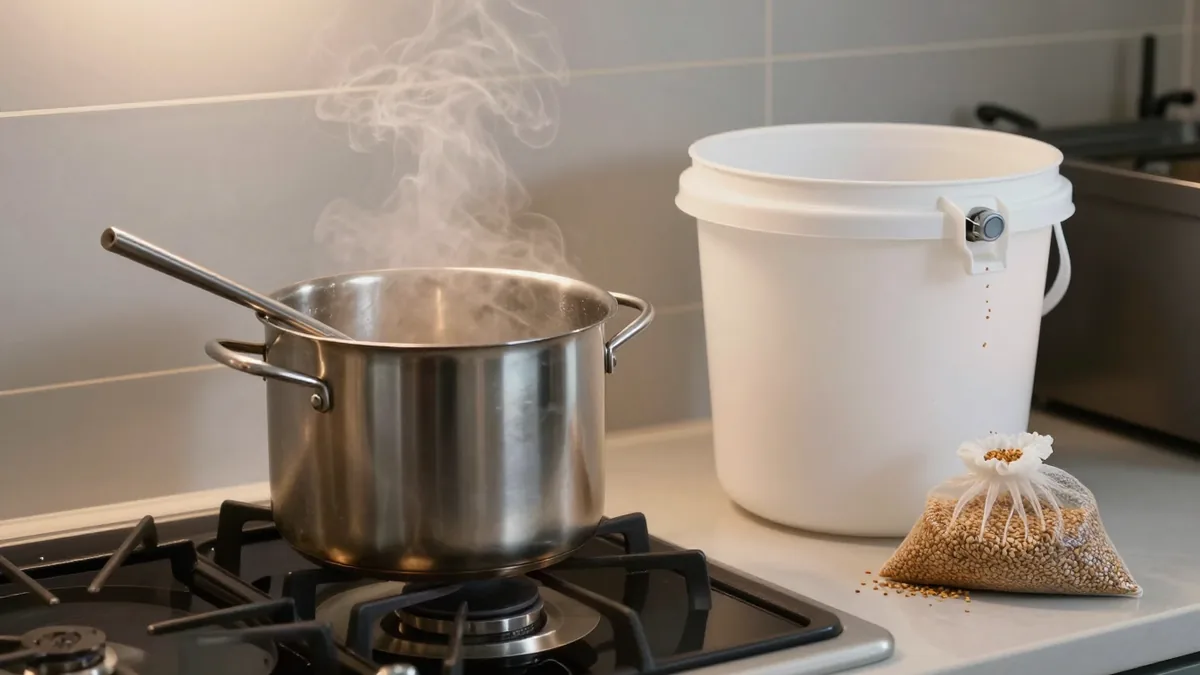
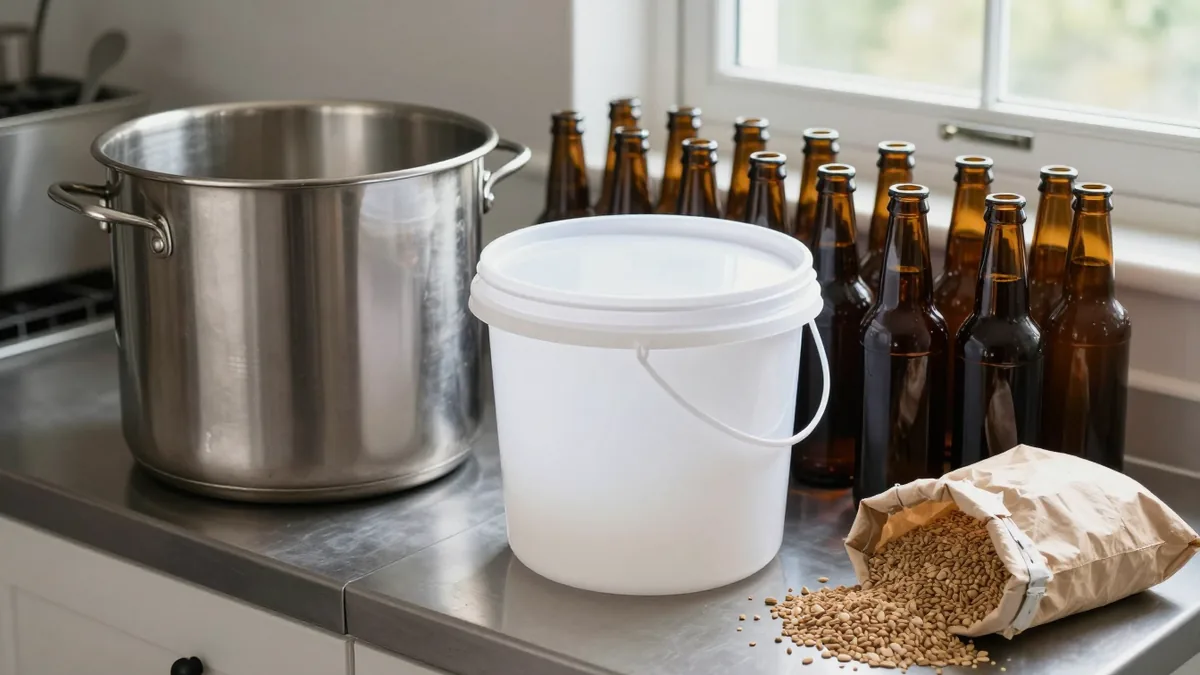
What a first batch needs: the federal limits, $155 of starter gear, 3.5 to 4.5 hours of brew day and four weeks to a carbonated beer.
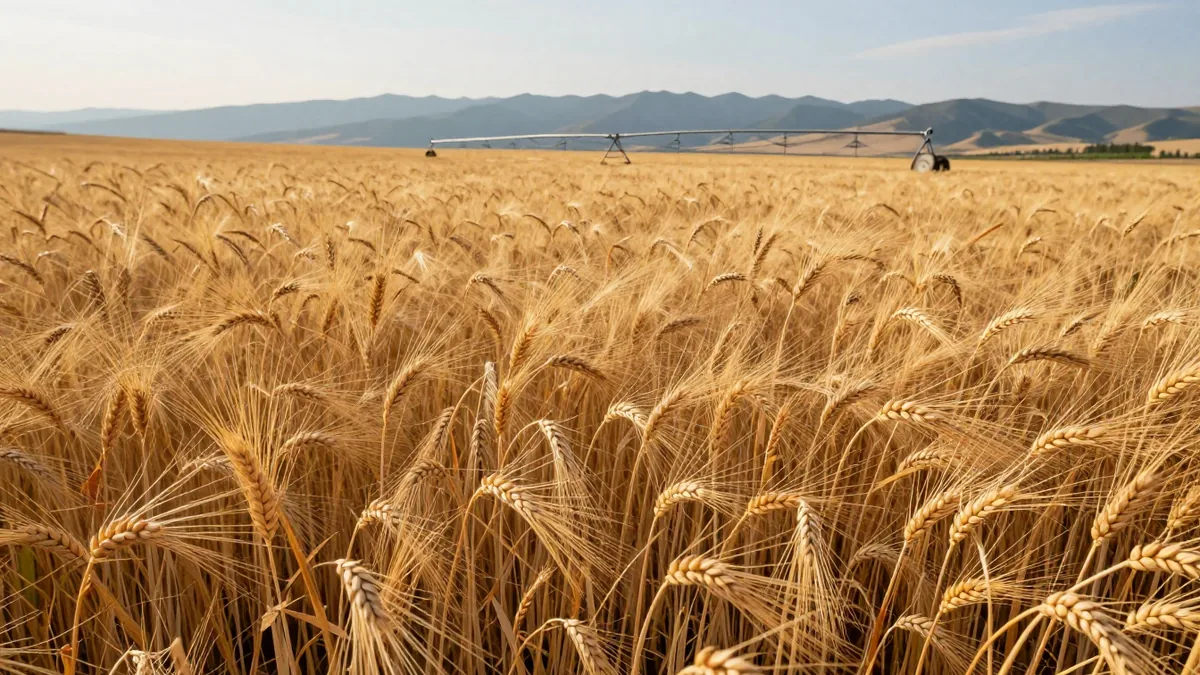
US farms grew 115.7 million bushels of barley in 2026 on a record low 2.21 million planted acres. Where it grows and how much ends up in beer.
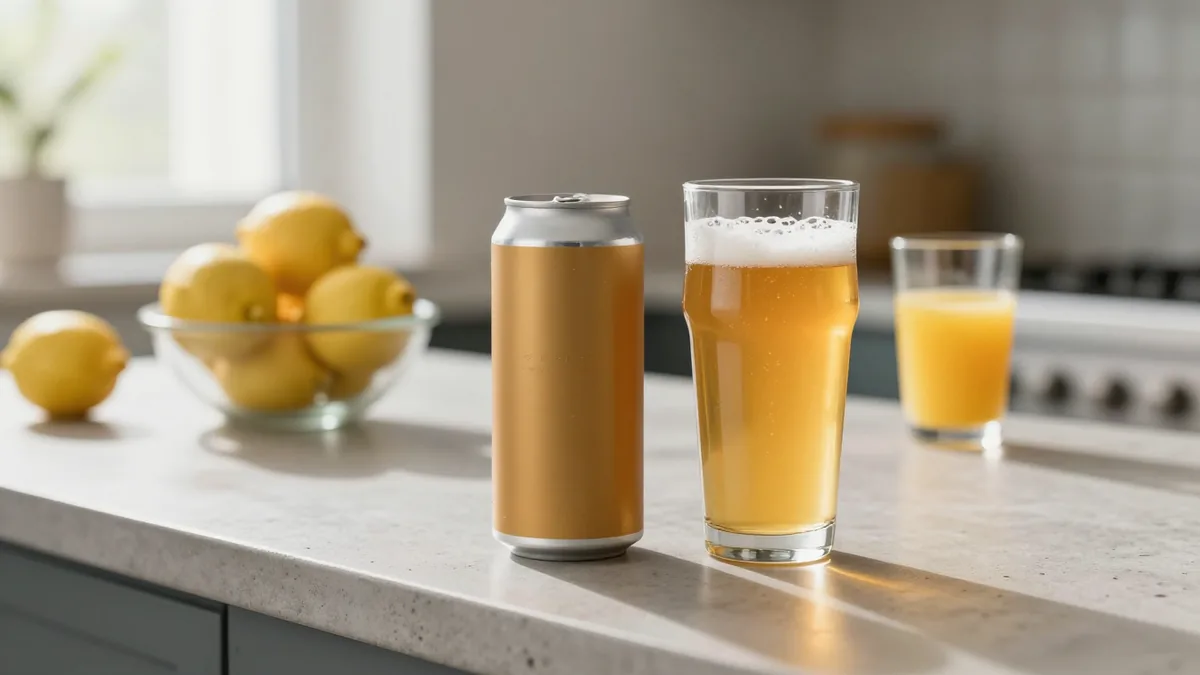
What "non-alcoholic" and "alcohol free" mean on a US beer label, how brewers remove alcohol, and how NA beer compares to juice.
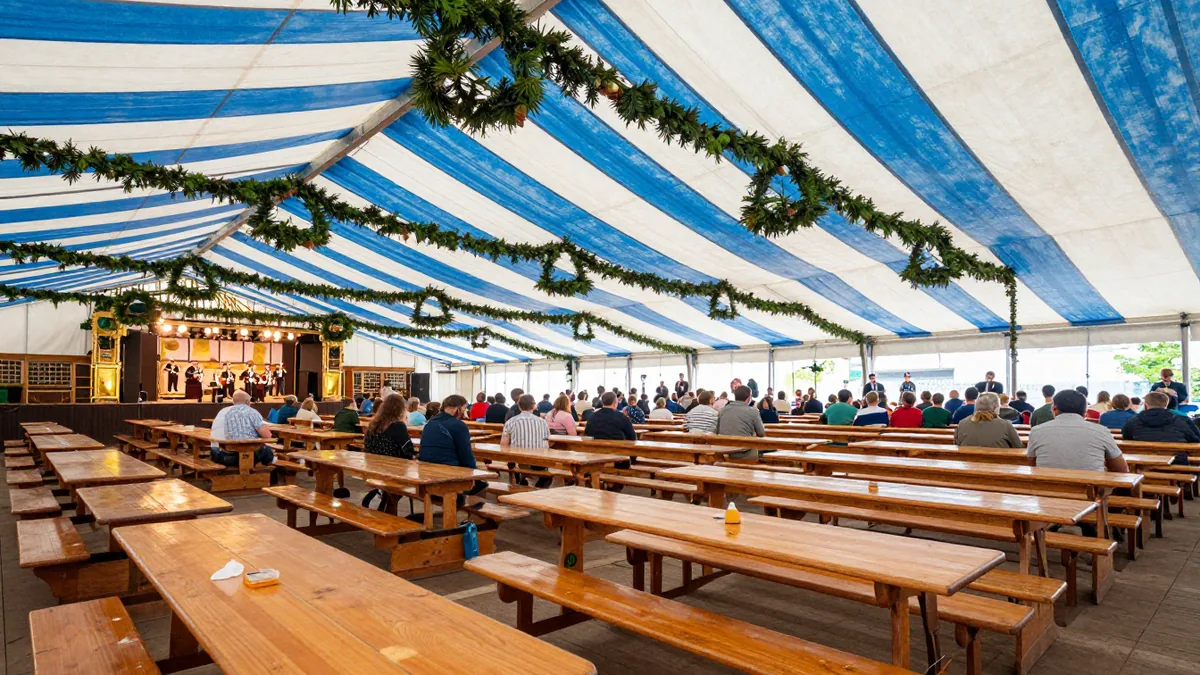
Munich Oktoberfest data: the Maß averaged €15.75 in the big tents in 2026, up 79% since 2010. Visitors, beer volume and a euro-to-dollar converter.
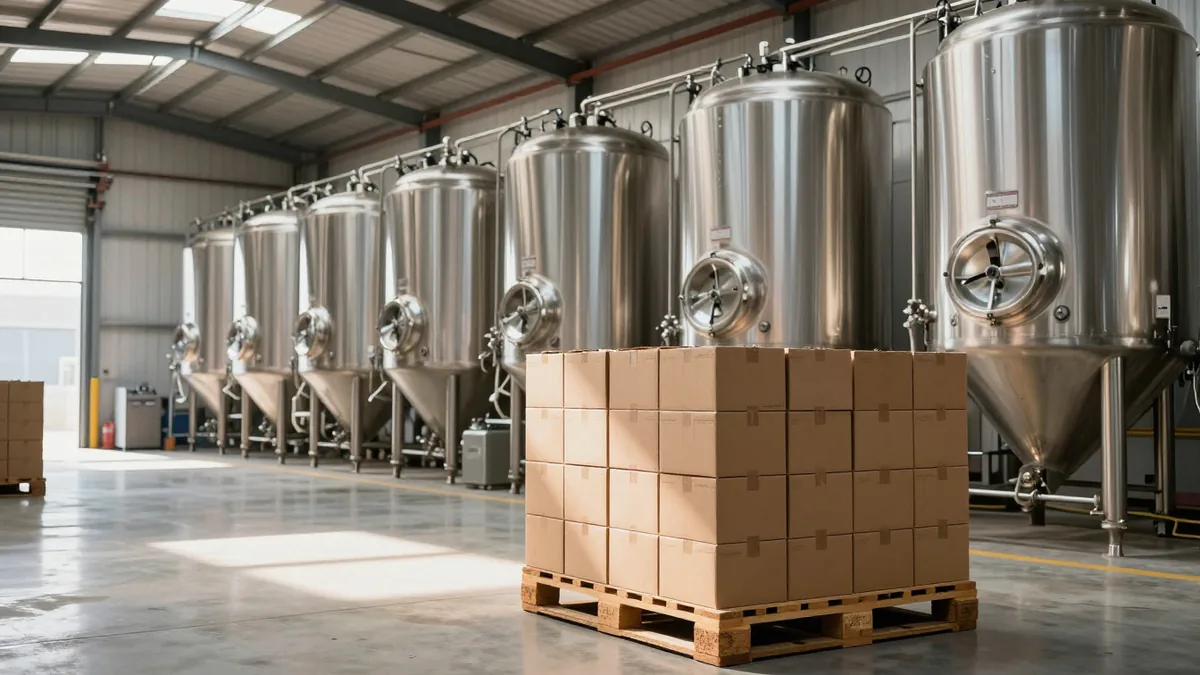
Yuengling, Sierra Nevada and Boston Beer lead the BA 2025 craft top 50. Rank changes since 2023, the states behind the list, and a sortable table.
The US imported 4.64 billion liters of beer in 2025, 84.5% of it from Mexico. Top 10 countries, $ per liter and 10-year change.
State beer excise runs from $0.019 a gallon in Wyoming to $1.287 in Tennessee. Federal tax adds $3.50 to $18 a barrel. Every state, per six-pack.
Americans 14+ drank 0.99 gallons of ethanol from beer per person in 2023, 28.6% below the 1981 peak. Every state ranked, NIAAA data.
Calories and carbs per 12 oz for regular, light, strong and non-alcoholic beer from USDA data and brand labels, with the math behind them.
IBU measures hop compounds by UV absorbance at 275 nm, not taste. Why a hazy IPA tastes softer than its IBU says, plus a Tinseth IBU and BU:GU calculator.
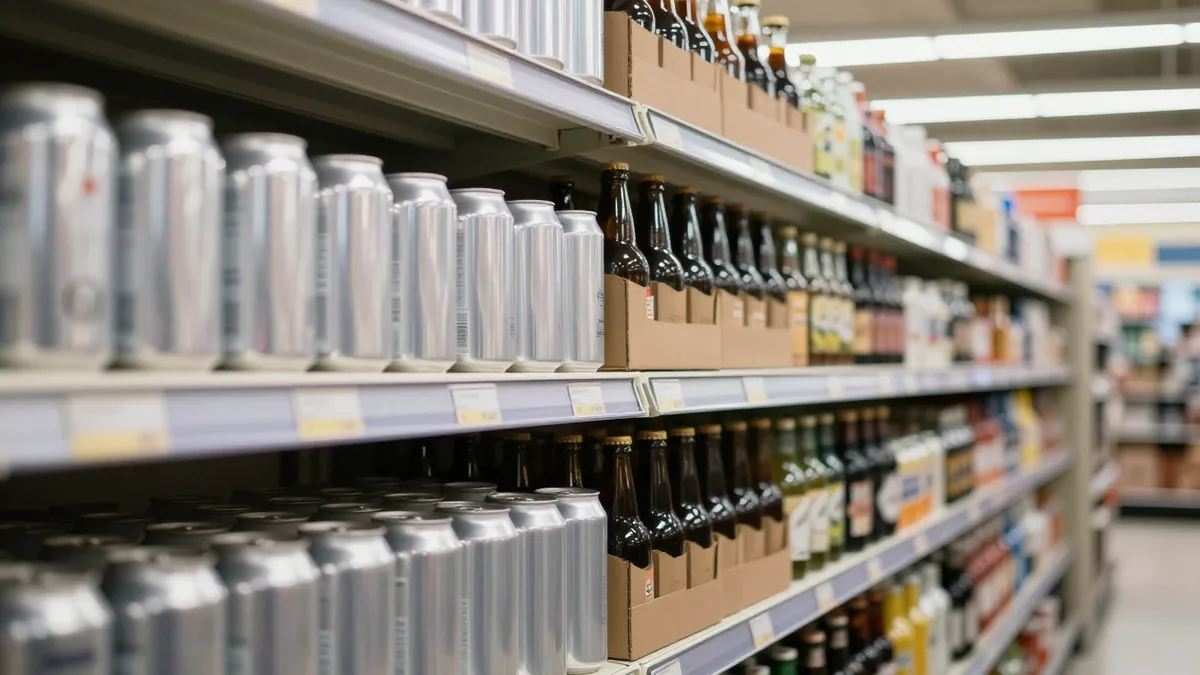
BLS data: beer bought at stores rose 30.7% from January 2016 to August 2026, beer at bars 35.2%, all prices 41.4%.
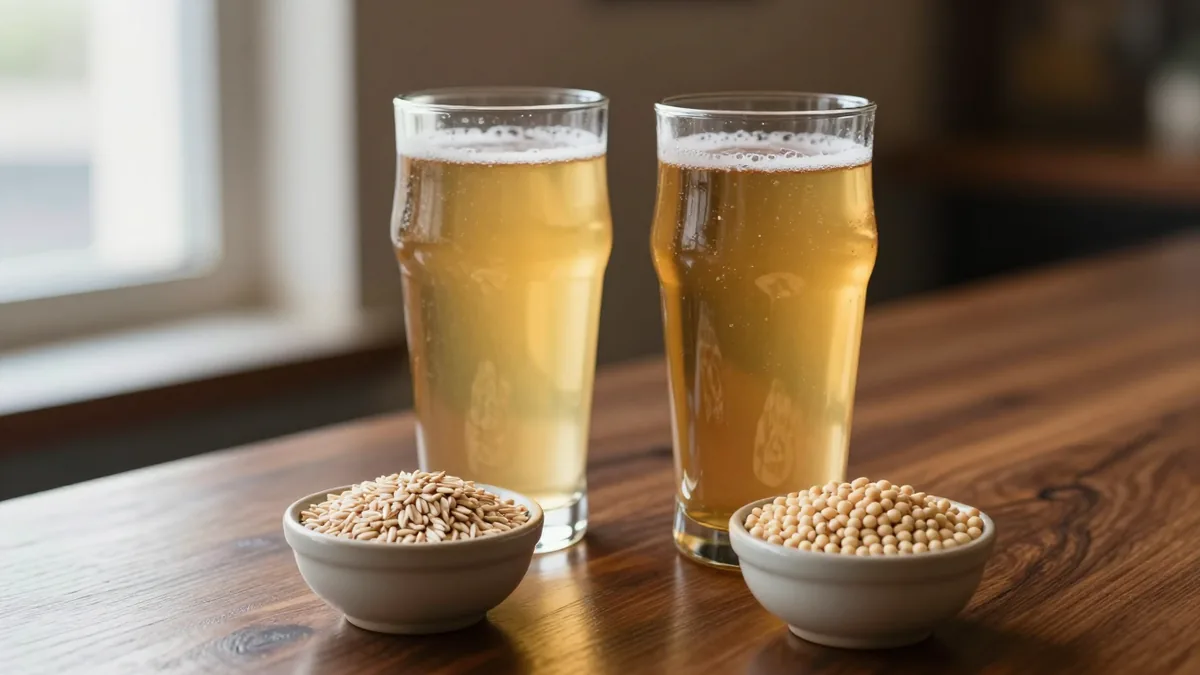
Gluten-free beer skips barley; gluten-reduced beer is barley beer treated with an enzyme. Rules, lab data and a label decoder, checked Oct 1, 2026.
Lager and ale yeast are different species. Maker temperature ranges for 7 strains, a lager schedule by day, and a tool to check your fermenter.
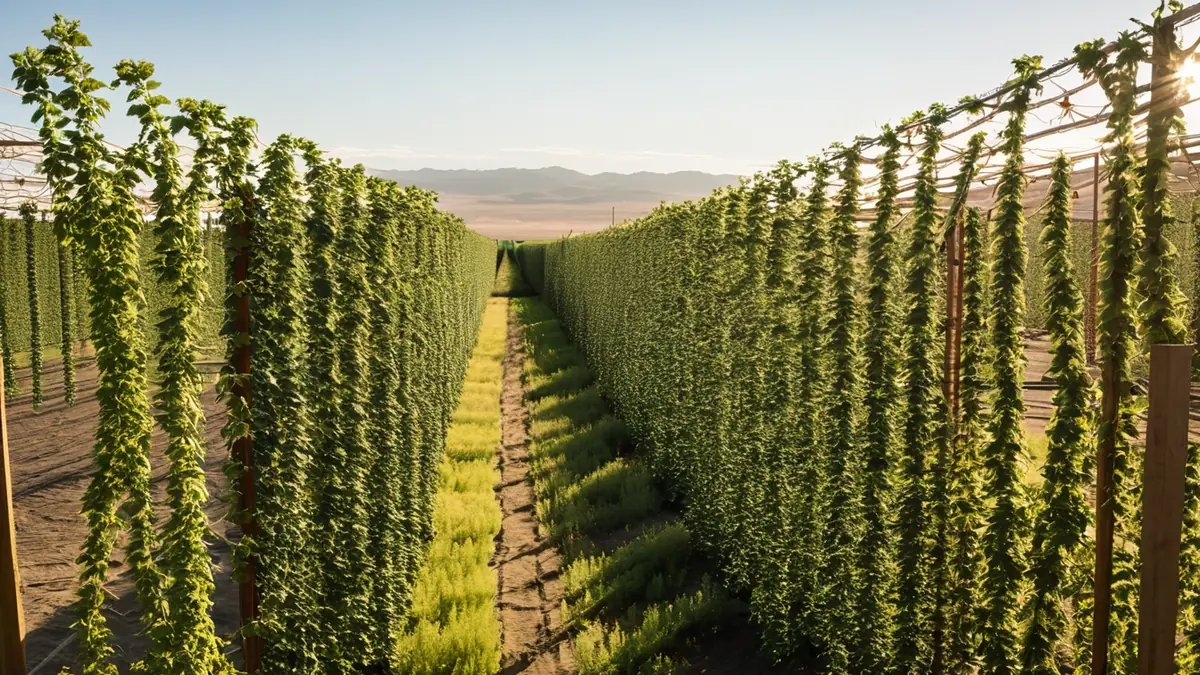
US farms harvested 41,654 acres of hops in 2025, down 31.6% from 2021. Citra leads at 7,581 acres. NASS and HGA data.
Real kit, gear and store prices checked October 1, 2026: cost per 12 oz bottle for extract and all-grain homebrew vs craft and macro beer.
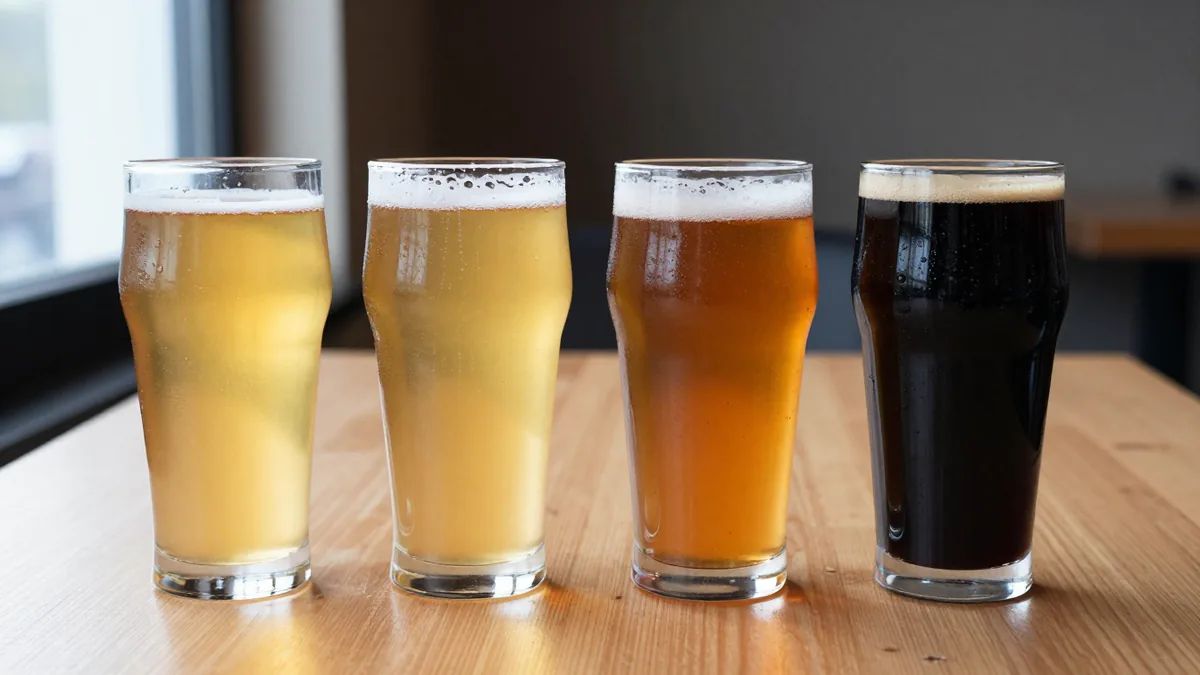
What the ABV on a beer label legally means, typical ABV by style, standard drinks per pour, and how brewers calculate ABV from gravity.
Most packaged beer holds its flavor about 150 days cold. Heat speeds staling: 3 days at 90°F equals 300 days at 38°F.
BJCP and Brewers Association ranges for pale ale, American IPA, hazy IPA, double and session IPA, with a tool that places your beer.
TTB lists 15,166 active brewery permits; the Brewers Association counts 9,724 operating breweries. State totals and breweries per adult.