Federal law uses two beer definitions, and they are not the same test. TTB's beer and malt beverage page says beer, under the Internal Revenue Code and the TTB regulations, means beer, ale, porter, stout, and other similar fermented beverages, including sake and similar products, containing one-half of one percent or more of alcohol by volume, brewed or produced from malt, wholly or in part, or from substitutes for malt. The same page says a malt beverage, under the Federal Alcohol Administration Act, is a fermented beverage made from both malted barley and hops, or their parts or products. Alcohol and Tobacco Tax and Trade Bureau is that page. A drink can meet the first definition and miss the second. That is the whole point of the note on the page.
The alcohol floor is 0.5 percent alcohol by volume. 27 CFR 25.11 states the same floor in the beer definition, which is why the chart has two bars and both sit at 0.5. eCFR is the regulation. The bars match because the explainer is restating the regulatory sentence, not publishing a second threshold. The cereal beverage article is about the line below that floor. This article is about what happens at or above 0.5 percent when the ingredients are not both malted barley and hops. Do not use 0.5 as a health line. It is a classification line.
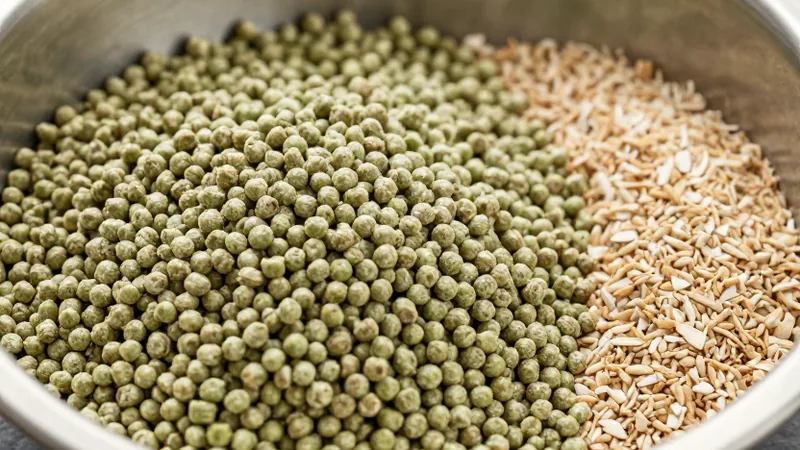
The malt-beverage test is an and, not an or. The page says the product must be made by alcoholic fermentation of an infusion or decoction, or of both, in potable brewing water, of malted barley and hops. Other malted cereals, unmalted or prepared cereals, other carbohydrates, carbon dioxide, and other wholesome products suitable for human food consumption may be used with that pair. They do not replace the pair. The page's note says a fermented beverage that qualifies as a beer under the IRC but is made without both malted barley and hops is not a malt beverage under the FAA Act. Read "without both" as missing either one. Malt without hops fails the malt-beverage test. Hops without malted barley fail it too.

Substitutes for malt are an IRC beer idea
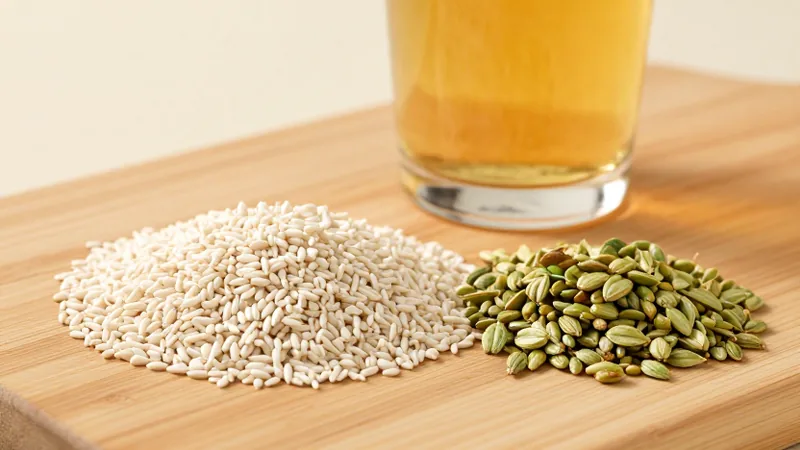
On the IRC side, the page says only rice, grain of any kind, bran, glucose, sugar, and molasses are substitutes for malt. That list is about beer under the internal revenue definition. It is not a list of things that turn a product into an FAA malt beverage by themselves. A beer brewed from malt in part, or from one of those substitutes, can still be beer for tax purposes when it is at or above 0.5 percent alcohol by volume. If that recipe skips malted barley or skips hops, the FAA malt-beverage definition is a separate question. The page points to TTB Ruling 2008-3 for more on that split. The section further down on what changes when IRC beer is not a malt beverage quotes what the ruling says follows.
Get beer science and style notes
How beer gets its bitterness, color and aroma, explained with numbers and sources. Free, unsubscribe from any email.
No fixed schedule. Unsubscribe from any email. 21+ only.
What this page will not decide
It will not tell you that a named brand is or is not a malt beverage. Ingredient lists on a can are the brewer's label, and formula approval is the Alcohol Labeling and Formulation Division's process. It will not say a product under 0.5 percent is safe, useful, or meant for any particular person. It will not say a product at 0.5 percent is a dose. Classification is not nutrition advice and it is not a drinking plan. The chart only shows that the TTB page and 27 CFR 25.11 name the same alcohol floor. The ingredient rule has no second number, so it is not drawn as a bar.
What changes when IRC beer is not a malt beverage
TTB Ruling 2008-3, signed July 7, 2008, is the ruling the TTB page points to. TTB wrote it after brewers asked how to label beers made from substitutes such as rice or corn, and beers made without hops. Its holding: a fermented beverage that qualifies as beer under the IRC, other than sake or similar products, "but that is made without both malted barley and hops is not subject to the requirements of the FAA Act." The ruling then says what that means for the product:
- No TTB label approval. Brewers and importers of these beers "are not required to obtain a certificate of label approval."
- FDA labeling instead. The product "will be subject to ingredient and other labeling requirements administered by the U.S. Food and Drug Administration (FDA)," under the Federal Food, Drug, and Cosmetic Act.
- Still beer for TTB. It stays subject to the IRC and 27 CFR part 25, "including the labeling of bottles (§ 25.142) and the approval of formulas (27 CFR 25.55)." The ruling cites 26 U.S.C. 5051, which taxes all beer brewed or produced and removed for consumption or sale, so the federal beer excise tax still applies.
- Health warning from 0.5 percent. Every alcohol beverage at 0.5 percent alcohol by volume or more that is intended for human consumption must carry the Government health warning under the Alcoholic Beverage Labeling Act of 1988 and 27 CFR part 16.
Sake is the exception. It is IRC beer, but the FAA Act's wine definition also covers sake at 7 percent alcohol by volume or more, so sake at that strength stays under FAA Act labeling. Gluten-free beers brewed from sorghum or rice without malted barley land on the FDA side of this split; the gluten-reduced vs gluten-free beer article covers how they are labeled. The ruling was read on 2026-11-20. The TTB page, last updated January 6, 2026, still links to it.
How the two tests interact on one product
Start with alcohol. If the finished product is under 0.5 percent alcohol by volume, you are on the cereal-beverage side of 27 CFR 25.11, and this page is the wrong one to finish the question. If it is 0.5 percent or more, ask the IRC beer question: fermented, and made from malt wholly or in part, or from a listed substitute. Then ask the FAA question separately: both malted barley and hops, or their parts or products. Passing the first and failing the second is the case the TTB note describes. Passing both is a malt beverage that is also beer. Failing the first means you may not be in the beer regulations at all. This page does not map every other alcohol commodity. Wine and spirits have their own parts.
Label rules for alcohol statements, including tolerance and the words that may appear when the number is low, are on the labeling pages, not in the definition sentence. The tolerance article and the low-alcohol words article stay on those label sentences. A definition tells you which statute you are under. A label rule tells you what the package may say once you are under the FAA Act. Mixing them up is how a brewer cites the wrong sentence. If the product is not a malt beverage under the FAA Act, do not assume the malt-beverage label chapter is the one that applies. Ask which commodity definition was met, using the TTB page, before you borrow a label rule from a different chapter.
The tool on this page multiplies 0.5 by a quantity you type. That product is not an alcohol result for a blend, and it is not a target to brew toward. 0.5 is a legal floor in a definition. Multiplying a definition does not create a new one. The two chart rows are both 0.5 because 0.5 is the same floor copied into the regulation's own wording. If a future edit of either page moves, this fact sheet should be rebuilt from the new sentences rather than averaged.
A labeling chapter is not a definition
People reach this question because a label was rejected or a formula was asked for. The definition answers which statute's vocabulary you are in. It does not fill in the form. If the product meets the FAA test, malted barley and hops together, then the malt-beverage label rules are the ones to open next, including alcohol-statement tolerance. If the product meets only the IRC beer test, you are still in a beer conversation for tax, and you are not automatically in the FAA malt-beverage conversation. The TTB note is the sentence to hand someone who wants to collapse those into one word. Quote it. Do not paraphrase it into "hops are optional." They are optional only in the sense that IRC beer can be made from malt or a listed substitute. They are not optional in the FAA malt-beverage sentence.
Sake shows the split cleanly. The TTB page puts sake and similar products inside the IRC beer sentence. The FAA sentence still requires malted barley and hops. A sake that meets the alcohol floor of 0.5 percent can be beer under that IRC wording without becoming a malt beverage. This page does not classify a particular sake brand. It uses the example the explainer already includes so the two sentences stay apart. The same discipline applies to a fermented grain drink that uses molasses or sugar as a malt substitute and never sees a hop cone. It may still be IRC beer. It is not, on these sentences, an FAA malt beverage.
Checked on 2026-10-27 against Alcohol and Tobacco Tax and Trade Bureau and eCFR. The regulation text used here is the beer definition in the current eCFR display of 27 CFR 25.11. The TTB page carries its own last-updated line. If either page changes the floor or the ingredient and, rebuild the fact sheet from the new sentences. Do not keep 0.5 out of habit. Hold the IRC sentence and the FAA sentence apart even when one product is discussed under both.
How to use each figure
0.5 percent alcohol by volume is the IRC beer floor as the TTB page states it. The regulation's matching figure is 0.5. Neither number is a statement about impairment, health, or who may buy the product. Local sale age is outside this page.
The FAA malt-beverage test still requires both malted barley and hops even when the alcohol floor is met. Substitutes for malt listed on the IRC side do not, by themselves, satisfy that and. The chart has no bar for ingredients because the rule is a pair of names, not a third percent.
Frequently Asked Questions
What alcohol level does the IRC beer definition use?
0.5 percent alcohol by volume or more. 27 CFR 25.11 states the same floor, 0.5. Sources: Alcohol and Tobacco Tax and Trade Bureau and eCFR.
What does a malt beverage require that IRC beer might not?
Both malted barley and hops, or their parts or products. Missing either one fails the FAA definition on the TTB page.
Does a beer that is not a malt beverage need TTB label approval?
No. TTB Ruling 2008-3 says brewers and importers of these beers do not need a certificate of label approval. FDA ingredient and labeling rules apply instead, and the beer still falls under the IRC and 27 CFR part 25.
Do malt substitutes such as rice or sugar make a malt beverage?
No. The page lists them as substitutes for malt on the IRC beer side. The FAA test still requires malted barley and hops.
Is 0.5 percent a health claim?
No. 0.5 is a classification floor. It does not say a product is safe, useful, or appropriate for any person.
Sources
- Beer and Malt Beverages. Alcohol and Tobacco Tax and Trade Bureau.
- TTB Ruling 2008-3, Classification of Brewed Products as Beer and as Malt Beverages. Alcohol and Tobacco Tax and Trade Bureau.