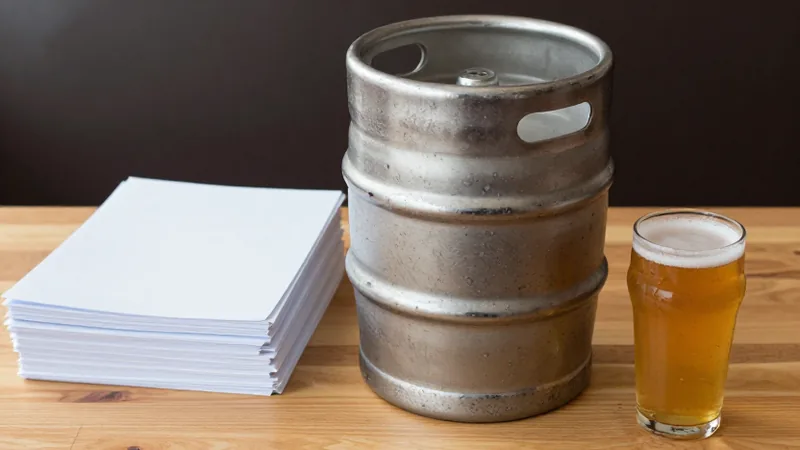
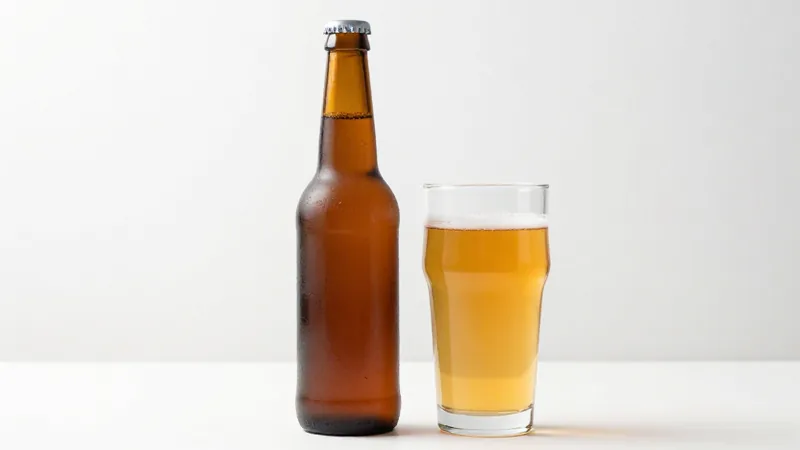
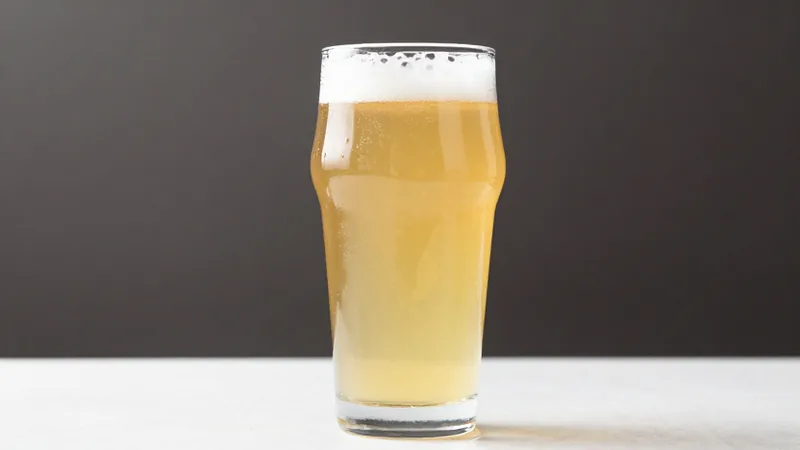
Federal beer rules draw a line at 0.5 percent alcohol by volume. eCFR defines beer as beer, ale, porter, stout, and other similar fermented beverages, including sake and similar products, containing one-half of one percent or more alcohol by volume, brewed or produced from malt, wholly or in part, or from any substitute for malt. The number in that sentence is 0.5. At 0.5 percent the product is on the beer side of the line, if the rest of the definition also fits. Under 0.5 percent, the same section uses a different name.
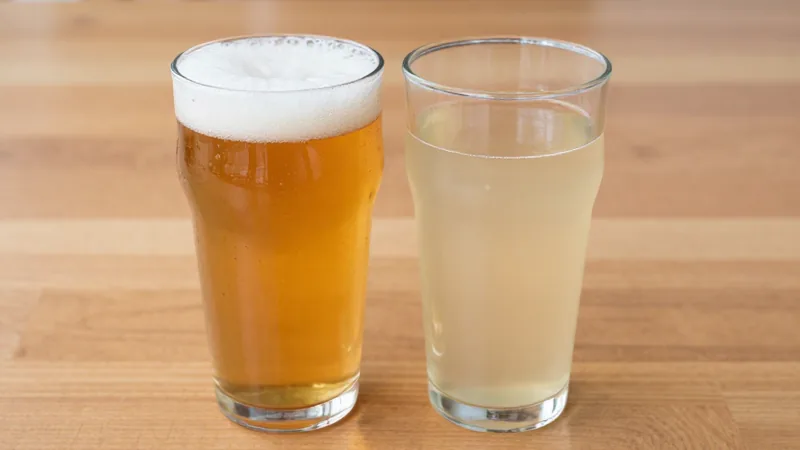
That other name is cereal beverage. eCFR says a cereal beverage is a beverage produced either wholly or in part from malt, or a substitute for malt, fermented or unfermented, which contains, when ready for consumption, less than one-half of 1 percent of alcohol by volume. The figure is again 0.5. The inequality is the whole difference. Beer is 0.5 percent or more. A cereal beverage is under 0.5 percent. A product at exactly 0.5 percent is not under the cereal-beverage ceiling. It meets the beer floor.
The section does not say the line is a health claim. It does not say a drink under 0.5 percent is safe for any person, and it does not say a drink at 0.5 percent is unsafe. It sorts names for tax and regulatory purposes. How a label may use the words non-alcoholic or low alcohol is a different TTB page, covered in the non-alcoholic beer article and in the label-word article on this site. This page is only the definition line in 27 CFR 25.11.
Same percent, two tests
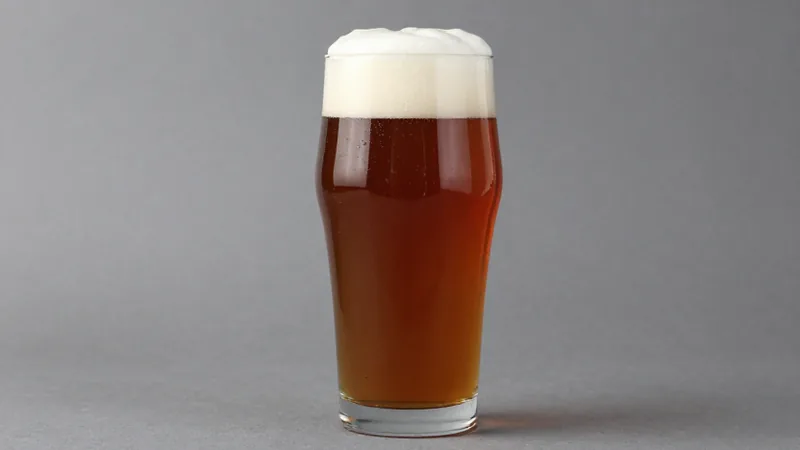
Read the beer sentence as "at least 0.5." Read the cereal-beverage sentence as "less than 0.5." They cite the same percent and they do not overlap. There is no band between them. A laboratory result of 0.5 percent alcohol by volume is on the beer side of the definition, assuming the drink is the kind of fermented beverage the beer sentence describes. A result that is under 0.5 percent is the cereal-beverage side, assuming it was produced from malt or a malt substitute.
The chart prints both rows at 0.5 because that is the published figure in both sentences. The labels on the rows carry the inequality. The tool does the same. Multiplying 0.5 by a count does not create a new legal threshold. The threshold stays 0.5 percent. The product is arithmetic, not a second rule.
Get the beer data notes
Brewers Association and TTB figures as they are published, with the source for every number. Free, unsubscribe from any email.
No fixed schedule. Unsubscribe from any email. 21+ only.
What else the beer sentence requires
Alcohol is not the only word in the beer definition. The drink is brewed or produced from malt, wholly or in part, or from a substitute for malt. The section points standards for production to 27 CFR 25.15. This article does not restate the materials list. If a drink is under 0.5 percent and was never made from malt or a malt substitute, the cereal-beverage sentence may not fit either. The name follows the whole sentence, not the percent alone.
Sake is named inside the beer sentence, as a similar product, when it contains 0.5 percent or more. That does not turn every rice drink into beer. It tells you the regulation's beer list is wider than ale and lager. A porter or a stout is in that list by name, and it still has to clear 0.5 percent to be beer under this definition. A very small stout that tested under 0.5 percent would be on the cereal-beverage side of this particular line, whatever the style name on the keg said.
How to use the figure without stretching it
If you are comparing a lab sheet to the regulation, write the result as a percent alcohol by volume and ask one question. Is it 0.5 or more, or is it under 0.5? Do not average two samples and call the average the definition. Do not convert the percent into a "standard drink" on this page. The ABV article is where serving math lives, and it is not a recommendation to drink any particular amount.
The tool's two rows are the two sentences. Pick "Beer, at or above" and the value is 0.5 percent ABV. Pick "Cereal beverage, under" and the value is 0.5 percent ABV. The words in the label are the legal difference. The number is shared because the regulation used one percent for both cuts.
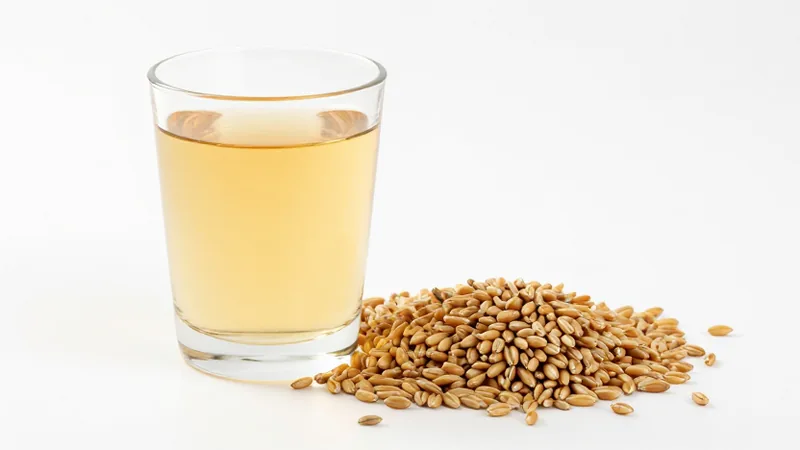
Malt substitutes are part of the beer sentence and part of the cereal-beverage sentence. The regulation does not, in these two definitions, give a second percent for a substitute. Rice, other grains, sugar, and similar materials show up in the materials section, not as a different ABV line. If you need that materials list, read 27 CFR 25.15. Do not invent a 0.5 percent exception for one adjunct and a different percent for another. This page has one percent, used twice, with opposite inequalities.
Nothing here says a person should drink up to the line or stay under it for a health reason. The line is a name. Beer at 0.5 percent is still beer. A cereal beverage under 0.5 percent is not beer under this section. Labels, tax class, and formula approval can add more rules. Start with the definition, then follow the page that matches the question you actually have.
Where people slide the line
A spec that says "about half a percent" is not the regulation. The regulation's figure is 0.5 percent alcohol by volume, and the two sentences use it as a floor and as a ceiling. "About" does not appear in either sentence. Rounding a lab result onto the line is a lab question, not a sentence this article can finish. If the measured value is under 0.5, the cereal-beverage words are the ones to read. If it is 0.5 or more, the beer words are the ones to read. Do not split the difference and call a drink both.
The cereal-beverage sentence also says "when ready for consumption." A tank sample taken before dilution is not automatically the finished drink. If water will be added later, the percent in the tank is not the percent in the glass. The beer sentence does not use that same "ready for consumption" phrase, but a tax classification still follows the product as removed. This article does not tell a brewery how to sample. It tells a reader which clause uses which timing word.
Substitutes for malt do not move the percent. A drink made partly from malt and partly from a listed substitute is still judged against 0.5 if it is in the beer sentence, and against 0.5 if it is in the cereal-beverage sentence. The adjunct is not a third category with its own ABV. Fermented or unfermented matters for the cereal-beverage sentence, which allows either, as long as the alcohol stays under 0.5 percent when the drink is ready to consume. An unfermented malt drink under that line can still be a cereal beverage. An unfermented drink at 0.5 percent or more is not described by the beer sentence's "fermented beverages" wording. Read the verb as well as the number.
The chart will keep showing 0.5 on both rows because inventing a second percent would be false. If a future amendment changes one sentence and not the other, the fact sheet has to change. Until then, the two quotes in the fact sheet are the whole numeric rule on this page.
A practical check for a spec sheet is short. Confirm the unit is alcohol by volume, not alcohol by weight. Confirm the sample is the drink as ready for consumption, which is the cereal-beverage sentence's timing. Then compare the number with 0.5. At or above, look at the beer definition. Under 0.5, look at the cereal-beverage definition. If the sheet is silent on malt, the percent alone does not finish the classification.
The sources section below links eCFR. The quote on the beer fact is the "one-half of one percent or more" clause. The quote on the cereal-beverage fact is the "less than one-half of 1 percent" clause. Both were read on 2026-10-27. If the eCFR text moves, the quotes in the fact sheet are the ones this article used.
Frequently Asked Questions
What alcohol level does 27 CFR 25.11 use for beer?
Beer under that section contains 0.5 percent alcohol by volume or more, and it is brewed from malt, wholly or in part, or from a malt substitute. Source: eCFR.
What is a cereal beverage in that section?
A beverage made wholly or partly from malt or a malt substitute, fermented or not, that contains less than 0.5 percent alcohol by volume when ready for consumption.
Is 0.5 percent beer or a cereal beverage?
At 0.5 percent the beer floor is met. The cereal-beverage rule is less than 0.5 percent. The point itself is on the beer side of this line.
Does this line mean a drink under 0.5 percent is a health product?
No. The section names a regulatory category. It does not make a health claim. Label words such as non-alcoholic are covered in the non-alcoholic beer article.
Sources
See the related article: /blog/beer-versus-malt-beverage